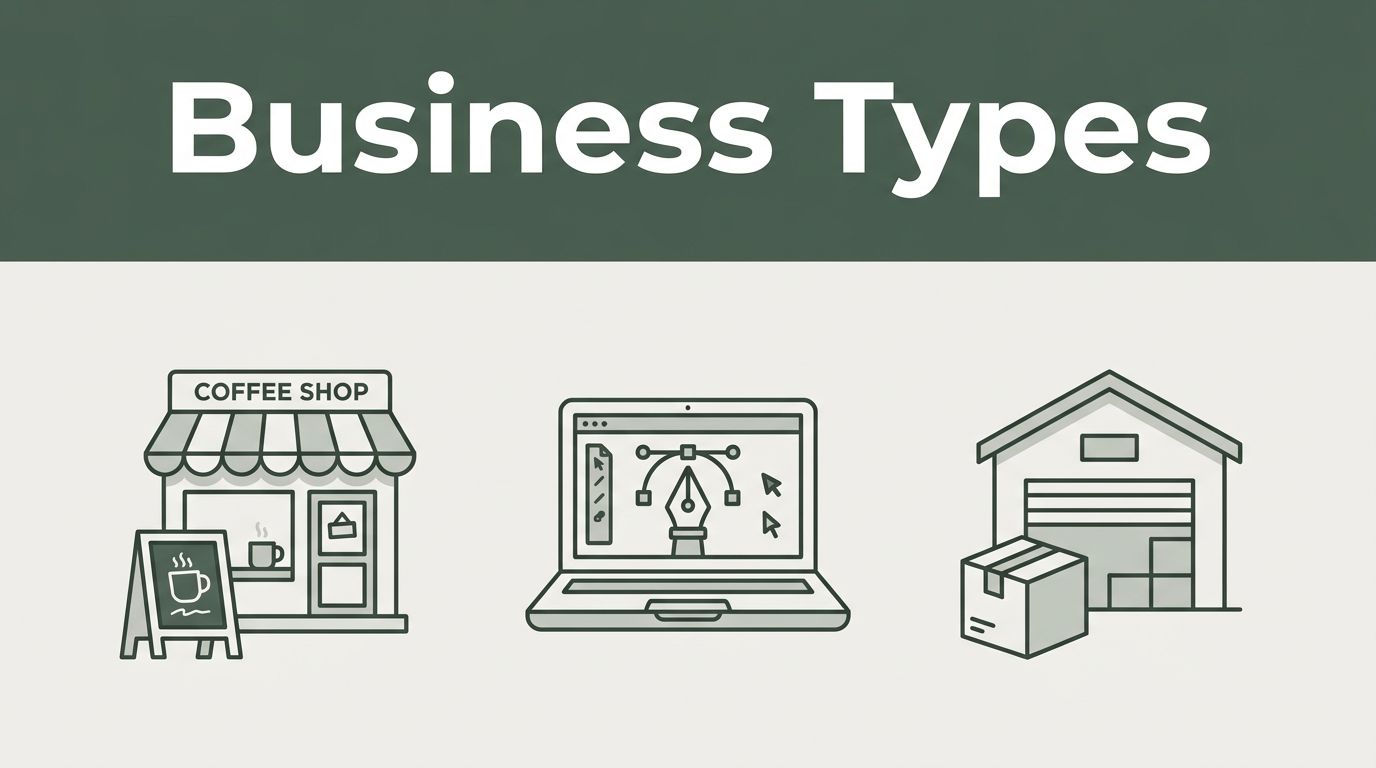
Picture this. You dream of launching a cozy coffee shop in your neighborhood or picking up freelance graphic design on the side. Excitement builds, but then questions hit: What types of small businesses fit your life? How do you shield your savings from risks?
Picking the right setup saves cash, guards your assets, and matches your goals. Small businesses split into two main buckets. First, legal structures like sole proprietorships or LLCs handle taxes and protection. Second, operational models cover retail shops or online services. By the end, you’ll spot popular picks and spot 2026 shifts like AI tools and green ventures.
Let’s start with legal structures. They form the backbone that keeps your hard work safe.
Legal Structures That Protect Your Small Business
Legal setups decide your taxes, paperwork, and how much risk you take. A sole proprietorship keeps it basic. An LLC adds a safety net. Corporations suit bigger plans. Each fits different risks and team sizes.
The U.S. Small Business Administration breaks it down well in their guide on choosing a business structure. Factors like taxes and liability matter most. High-risk fields, think construction, demand strong shields. Low-key gigs like consulting often skip extras.
Here’s a quick comparison of common options:
| Structure | Owners | Taxes | Liability | Setup Ease |
|---|---|---|---|---|
| Sole Proprietorship | 1 | Personal | Full personal | Easiest |
| Partnership | 2+ | Personal (general) | Shared (varies) | Simple |
| LLC | 1+ | Pass-through | Limited | Moderate |
| C Corp | 1+ | Double | Limited | Complex |
| S Corp | 1-100 | Pass-through | Limited | Moderate |
This table shows trade-offs at a glance. Sole props shine for solos. Corporations build for investors. Always chat with a lawyer or accountant first. State rules vary, and mistakes cost time.

Sole Proprietorship: The Simplest Way for Solo Owners
You run everything alone. No formal paperwork needed beyond a business license. Profits flow to your personal taxes via Schedule C. Setup costs near zero.
Freelance writers or dog walkers love this. You keep full control. Taxes stay straightforward. However, debts hit your home or car directly. No separation exists. Low-risk solos pick it because ease wins. Still, track expenses closely.
Partnerships: Teaming Up Without Losing Control
Two or more owners share duties. General partnerships split risks evenly. Limited ones protect silent partners. LLPs cap liability for pros like accountants.
Repair shops or bakeries team up here. Workloads divide nicely. Ideas bounce faster. Disputes can sour things, so draft clear agreements. Shared taxes pass through. It’s great for trusted duos, but pick partners wisely.
LLC: Flexible Protection for Growing Ideas
Owners, called members, gain limited liability. Your house stays safe from business debts. Taxes pass to personal returns, skipping double hits. One or many members work.
Food trucks or boutiques thrive as LLCs. States charge filing fees, around $100-500. Management stays flexible. Startups flock here for balance. Add it when scaling solo gigs.
Corporations: Built for Bigger Ambitions
C Corps face double taxes but attract investors. Shares sell easy. S Corps dodge that tax layer, limited to 100 U.S. owners. B Corps add social goals, like eco-focus.
Family eateries often go S Corp for tax perks. Protection runs strong. Paperwork piles up, though. Investors eye C Corps for growth. Scale matters here.
Operational Models: How Small Businesses Actually Run and Earn
Legal forms set the rules. Operational models show daily hustle. Retail sells goods face-to-face. Services fix problems. Online scales wide. Most stay under 50 staff.
You mix them often. A cafe adds delivery apps. Revenue comes from sales, fees, or subs. Local demand fuels many. Tech opens doors.

Salesforce outlines 12 types of businesses for entrepreneurs, including these staples. Pick based on skills and market gaps.
Retail and Service: Everyday Essentials People Need
Shops stock clothes or tools. Services cut hair or plumb pipes. Earnings hit from direct buys or hourly rates.
Neighborhood gyms or salons draw steady locals. Demand stays reliable. Overhead runs location-based. Build loyalty with smiles. Boutiques niche down, like vintage finds.
Manufacturing and Food Ventures: Creating What Customers Crave
Small makers craft furniture or soaps. Food spots bake goods or run trucks. Sell products wholesale or direct.
Custom appeal wins fans. Permits stack for food safety. Bakeries turn hobbies profitable. Scale slow with quality focus.
Online, Franchises, and Subscriptions: Modern Twists
E-commerce dropships gear. Franchises copy Subway models. Subs charge monthly, like box deliveries.
Low overhead scales fast online. Franchises offer blueprints. Gym apps recur revenue. Developers code apps remotely.
Real-Life Examples and 2026 Trends to Watch
A dog walker files as sole prop. No fuss, quick cash. An LLC gym owner shields gear from slips. Accountants partner up, sharing clients.
Trends shift now. Nearly 94% of owners eye growth via AI tools. Wellness booms, with coaching and pet grooming hot. Sustainability surges; eco-shops save costs.
Online sales explode, TikTok up 120%. Gig work fits sole props. Hybrid services blend remote consults. B Corps chase green certs.

Check Entrepreneur’s 2026 outlook for digital pushes. AI cuts tasks; 82% of users grow staff. Remote booms post-pandemic. DAOs test web3 LLCs. Future-proof by blending online and green.
Legal picks guard you. Models match your hustle. Align with risks, aims, and shifts like AI wellness.
Talk to a lawyer or accountant soon. Visit SBA.gov for state tips. Jot your idea today. Your small business dream sits closer than you think. What’s your first move?