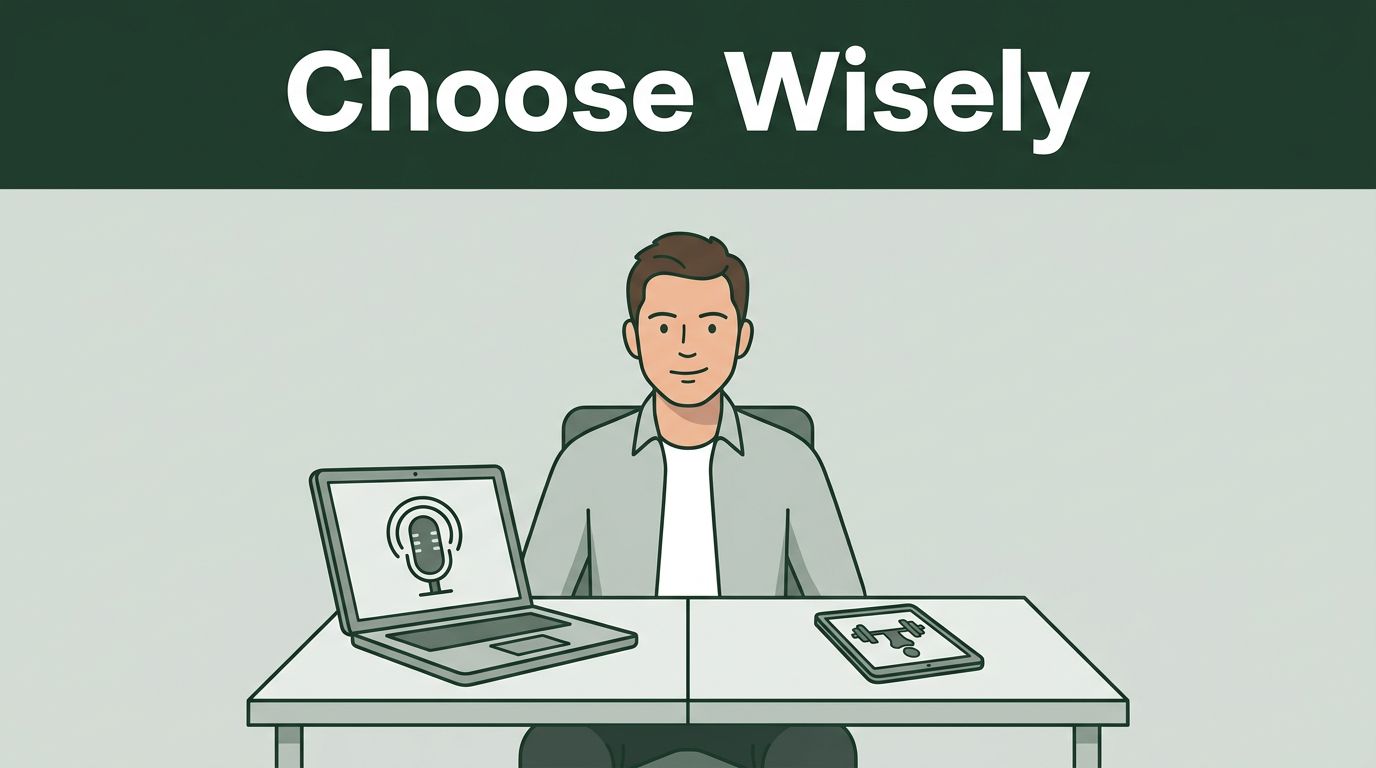
Imagine Sarah. She quit her job to start a generic podcast because it sounded easy. Months later, she burned out with zero listeners. Now picture Mike. He listed his graphic design skills and love for fitness. He launched freelance workout graphics and booked clients fast.
Beginners like you need the right business model. It saves time, cuts costs, and stops frustration. Pick wrong, and you waste effort. Pick smart, and you build momentum quick.
This post shows how to choose the right business model for beginners. You’ll do a self-check, see top 2026 options, weigh key factors, dodge pitfalls, and follow a step-by-step plan. By the end, you’ll feel ready to launch with confidence.
Assess Your Strengths and Interests First
Start here before any model tempts you. Match your business to what you do best and love. This raises success odds because you stick with it longer. People quit fast without passion or skills.
Think about your skills like writing emails or fixing bikes. Note interests such as cooking healthy meals or helping with tech. A good fit feels natural. It prevents burnout down the road.
Do this simple exercise now. Grab paper. List your top five skills. Add three passions. Brainstorm matches. For example, social media know-how plus eco-love points to green marketing gigs. In 2026, AI trends shine if you grasp basics already.

Make a Quick Skills and Passions Inventory
Take five minutes. Use this template.
First, skills column. Write what you know cold. Social media savvy? Cooking basics? Graphic tweaks in Canva?
Next, passions. Health routines? Environment fixes? Tech gadgets?
Add time available. Full-time job? Ten hours weekly max?
Real examples help. Graphic design skills lead to freelance logos. Wellness love fits online coaching. Ignore weaknesses like public speaking if they drain you. This step grounds models in your real life. Beginners thrive when plans fit tight.
Spot Where Your Strengths Meet Market Needs
Now match your list to demands. High-demand spots in 2026 include freelance writing, AI help, and wellness services. Check what overlaps.
Freelance suits quick skills like virtual assisting. Green passions match sustainability consulting. Note two or three fits. For instance, basic tech skills plus business interest equals AI tool setup for shops.
Data shows trades and digital gigs boom. Reselling or yoga classes need little experience. Your inventory spots winners fast. This keeps you ahead without guesswork.
Discover Top Beginner-Friendly Business Models in 2026
2026 favors low-barrier starts. Trends push online reselling, dropshipping, and wellness. These need small cash and home setups. Scalability draws newbies. Pick ones with proven paths.
Freelance services top lists. Writing, design, or social media start with your laptop. Dropshipping skips inventory. Suppliers handle ships. Food hustles like market snacks ride health waves. Online coaching shares your know-how. Franchises under $10k offer support. Podcasting works with a niche twist. AI agencies help businesses adopt tools. Wellness spots and sustainability consulting tap growth.
For deeper frameworks on choosing online business models, see this guide that matches time and skills.

Low-Cost Digital Options Like Freelance and Dropshipping
Freelance shines for beginners. Startup near zero. Use Upwork or Fiverr. Earnings hit $2k to $10k monthly with clients. Work from home. AI tools speed tasks in 2026.
Dropshipping follows close. Costs $1k to $4k for site and ads. Profits reach $7k to $10k monthly. No stock risk. Print-on-demand adds custom gear. Check profitable dropshipping ideas for niches like eco-products.
Online coaching needs $0 to $1k. Zoom calls teach fitness or business. Top earners pull $10k monthly. AI services start free. Charge $2k per deal helping with chatbots.
Hands-On Hustles and Franchises Gaining Traction
Food trends favor protein snacks and global flavors. Pancake stands or dehydrated fruit at markets start cheap. Events drive sales.
Franchises under $10k like travel planners give training. Earnings $1k to $10k monthly. Wellness spots such as Pure Green offer smoothies. Health franchises grow with demand.
Podcasting niches like wellness hacks build audiences. Sustainability consulting advises on green shifts. These scale from home or local.
Weigh These Essential Factors for the Perfect Fit
Narrow options with these checks. Startup costs matter most for newbies. Aim low. Market demand confirms buyers. Time fits side hustles. Scalability promises growth. Skills match seals it. Tie back to your self-check.
Costs vary wide. Freelance stays near zero. Franchises hit $10k. Here’s a quick comparison:
| Model | Startup Cost | Monthly Earnings Potential |
|---|---|---|
| Freelance | $0–$500 | $2k–$10k+ |
| Dropshipping | $1k–$4k | $7k–$10k+ profit |
| Online Coaching | $0–$1k | $100–$10k |
| AI Services | ~$0 | $2k–$50k/deal |
| Franchises <10k | $1k–$10k | $1k–$10k |
Freelance breaks even fast. Dropshipping needs ad tests. Factor tools and ads for true costs.
Crunch the Numbers on Costs and Profits
Add it up. Startup includes site fees or gear. Ongoing hits ads or royalties. Freelance margins stay high at 80%. Franchises take cuts but steady. Break-even in weeks for digital. Calculate yours: costs divided by price minus expenses. Aim for 50% margins early.
Check Demand and Growth Potential
Validate quick. Use Google Trends for searches. Chat locals or post polls. Freelance scales to agency. Dropshipping adds products. Wellness grows with health focus. 2026 AI demand surges. Pick scalable paths.
Dodge These Common Beginner Mistakes
Newbies trip often. Chase shiny trends sans passion. Skip research. Enter crowded spots. Underestimate time or cash. Quit at first snag. You don’t want that story.
Test small instead. 2026 examples show fads flop without fit.
Avoid Trendy Traps and Oversaturated Fields
Basic podcasts flood feeds. Pick AI integration over generic. Crowded niches need your angle like wellness for seniors. Match passion first. Trends like sustainability win with unique spins.
Don’t Skip Testing and Realistic Planning
Many ignore time. A “quick” dropship eats hours on ads. Costs balloon without buffers. Start as side hustle. Validate with one gig or sale. Plan realistic: ten hours weekly max at first.
Your No-Nonsense Step-by-Step Plan to Choose and Launch
Follow these six steps. No fluff. Action items included. Free tools make it easy. 2026 examples guide you.
- List skills and interests.
- Check demand.
- Calc costs.
- Test small.
- Compare options.
- Pick and launch.

Steps 1-3: Self-Check, Demand, and Costs
Step one: Your inventory from earlier. Add time.
Step two: Google Trends or Upwork searches. Poll friends. Example: AI consulting spikes.
Step three: List expenses. Free calculator at Shopify trials. Freelance: laptop only. Dropship: $500 test budget.
Steps 4-6: Test, Compare, and Commit
Step four: One freelance gig on Fiverr. Sell a dropship sample.
Step five: Chart like above. Rank margins, time, growth.
Step six: Commit. Set launch date. Overthink kills starts. Announce to friends for push.
Ready to Pick Your Path?
Self-assess first. Explore 2026 models like freelance or wellness. Weigh costs and demand. Dodge traps. Follow the steps.
The right business model for beginners builds on your strengths. Your first venture waits. Pick one model today. Share in comments what fits you. Start small, grow steady. Success follows smart choices.
(Word count: 1492)